Content
- Trust does not arise at the point of sale
- A formula is not magic, but responsibility.
- Why “same composition” does not mean the same result
- Production as a space of stability
- Time is the most honest test of quality.
- Packaging is not decoration, but a responsibility to the product.
- What is invisible but creates calmness
- Trust is a consequence, not a goal.
There is a moment that is familiar to almost everyone who has ever thought about creating their own cosmetics brand.
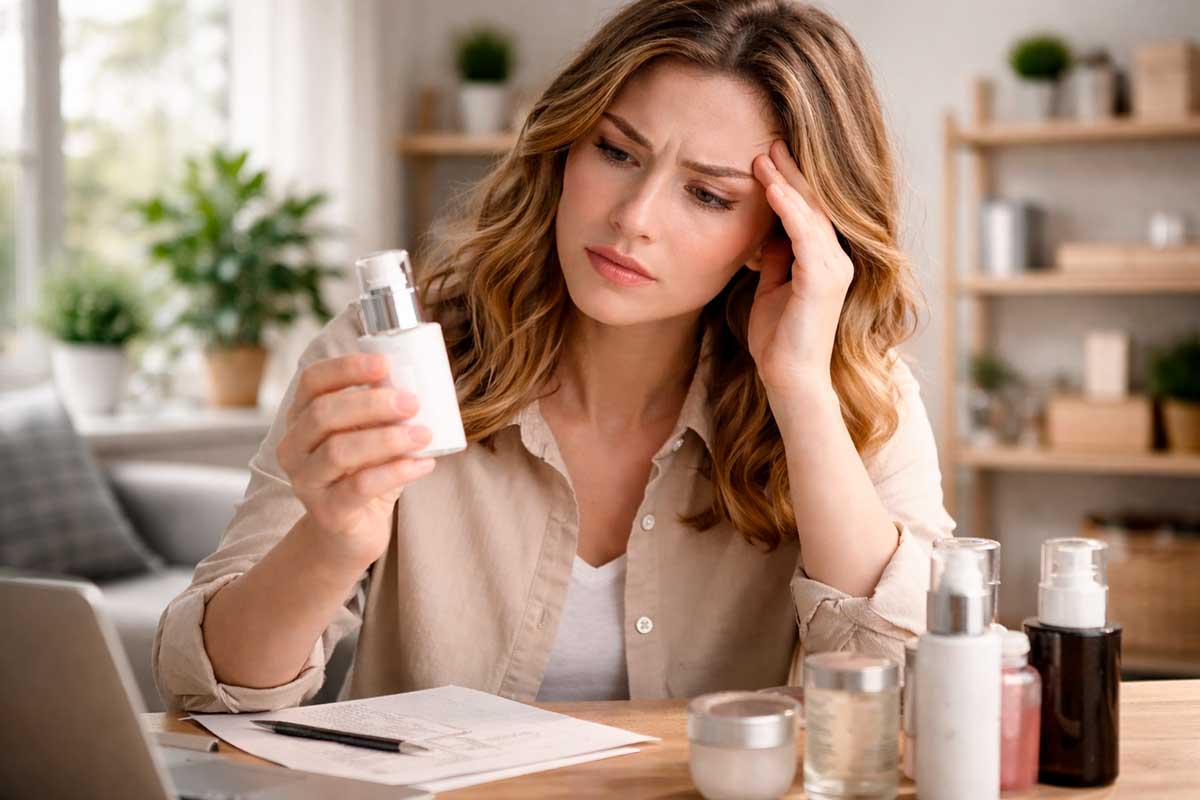
You have an idea in your head. It seems right, beautiful, necessary. But along with it comes another feeling—anxiety.
What if I don’t understand?
What if they do “the wrong thing”?
What if I invest and end up with a product I’m ashamed of?
This is rarely discussed openly. However, it is precisely this state that marks the beginning of the journey for most brands. And it is here that the first question of trust arises.
Because cosmetics are very personal. They are about skin, body, sensations, and safety. You don’t want to experiment at random here. You want to be sure.
Trust does not arise at the point of sale
The biggest mistake is to think that trust comes when the product is already on the shelf. In fact, it is either established long before that or does not appear at all.
Cosmetics you want to trust always start with inner honesty.
Not with the question “how to sell this,” but with the question “does a person really need this?”
When a product idea is born out of a desire to solve a specific problem, rather than simply filling a niche, you can feel it. Even if the customer can’t explain it in words, they can sense it with their body.
That’s why one cosmetic product becomes a “favorite,” while another remains just another jar.
A formula is not magic, but responsibility.
There is one more thing that is important to understand at the outset.
The formula is not a magic recipe or a set of trendy assets. It is a responsibility.
Every ingredient in cosmetics either works for the product or against it.
Every concentration either supports the skin or poses a risk.
And here a very common fear arises: “
I’m not a technologist. How can I tell if the formula is really good?”
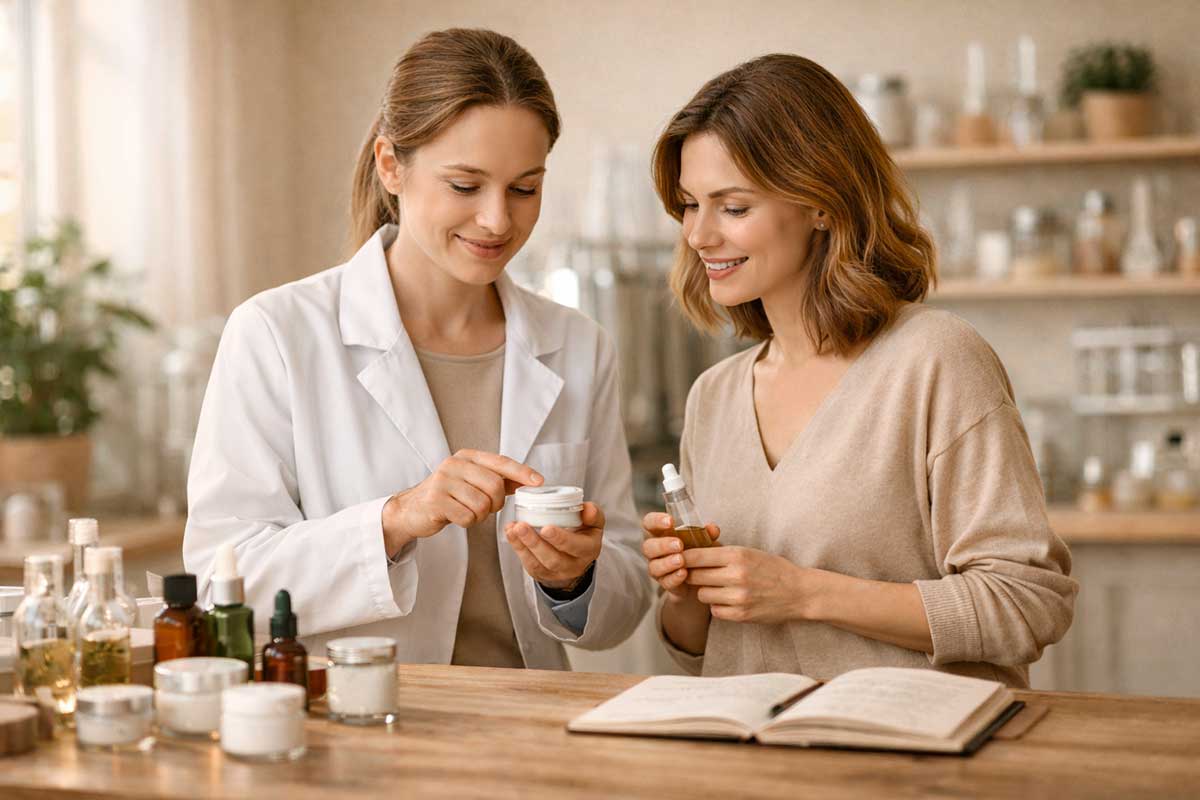
The truth is, you don’t need to know everything. But it’s important to be close to those who do. Because cosmetics that are trusted are always created through dialogue. Without superiority. Without pressure. With explanations.
When a formula is well thought out, it doesn’t try to impress. It just works. Calmly, predictably, without surprises.
Why “same composition” does not mean the same result
This is one of the most painful moments for many brands.
You look at the ingredients—everything seems to be correct. But the product is “not quite right.”
The reason is often unclear.
The quality of the raw materials. Their stability. How they behave over time. Their origin. Storage conditions. Little things that are not visible in the INCI, but which shape the feel of the product.
Cosmetics that are trusted are never made from random ingredients. They are created from what we are confident in. Even if it is more difficult. Even if it is not the fastest way.
Because every compromise here always comes back to haunt you later.
Production as a space of stability
There is a difference between “making” and “recreating.”
Reliable cosmetics are when a product today and a product six months from now feel the same.
When customers aren’t afraid to open a new jar.
When a brand doesn’t depend on mood or chance.
That is why contract manufacturing of cosmetics is not just about equipment. It is about processes. Order. Attention to detail. Repeatability.
This is the level that is not visible on Instagram, but which shapes reputation.
Time is the most honest test of quality.
There are things that cannot be checked quickly.
Stability, preservation of properties, product behavior over time.
And here an internal conflict often arises:
I want to start faster, but I’m afraid of rushing.
This is a normal fear.
And cosmetics that are trusted are always created with respect for this balance. No pressure. No promises of “we’ll do it in a week.”
Because a product created in a hurry almost always carries tension. And the customer senses it.
Packaging is not decoration, but a responsibility to the product.
Very often, packaging is perceived as the final touch. But in reality, it is part of the formula.
Cosmetics may be perfect at the production stage, but begin to “take on a life of their own” after packaging.
Air, light, container material—everything matters.
That’s why cosmetics you can trust always come in packaging that doesn’t cause harm. Packaging that supports the product rather than destroying it.
What is invisible but creates calmness
Documentation. Standards. Compliance. It’s not
something you want to read about, but it’s what gives you a sense of solid ground beneath your feet.
A brand that plans to be around for a long time always follows this path. Not just for show. But for responsibility.
And the customer, even without realizing it, feels the difference.
Trust is a consequence, not a goal.
Ultimately, cosmetics that you want to trust are never created as “products for sale.” They are created as products for people.
With respect for the leather.
With respect for the process.
With respect for our own idea.
And if you are just starting out on this path, it is important to know one thing: doubts are normal. Fears are normal. Questions are normal.
The main thing is not to rush and not to betray the idea for the sake of quick results. After all, trust in cosmetics always comes from where everything is done authentically.
Related posts